Specialized Anxiety Care Wherever You Need It However Complex
Care that meets you where you are — at home, in our offices, or on the go.
Quality and accessibility.
For everyone.
Whether you have commercial insurance, Medicaid, Medicare, or are paying out of pocket. Exceptional anxiety care is within reach.
Don't see your insurance? Call us. We'll find a way.





Find your program
Explore our evidence-based care options tailored to your needs—from Intensive Outpatient Programs (IOP) to specialized psychiatric care and supportive therapy
Condition-specific intensive outpatient care for adults navigating anxiety, OCD, trauma, or mood challenges. Our programs are built around evidence-based treatment and designed to fit real life — without requiring time away from work or family.
Anxiety & OCD
PTSD & Trauma
Mood & Depression
+ more
IOP Tracks — 3 to 5 days/week · Structured group & psychiatric care
Specialized intensive outpatient support for college students and young adults facing anxiety, depression, and the pressures of early independence. Built around the realities of campus life and the transition to adulthood.
Anxiety & Depression
Academic stress & burnout
Identity and life transitions
+ more
IOP Track — 3 to 5 days/week · Specialized group therapy & skill-building
Intensive outpatient care built specifically for adolescents struggling with anxiety, emotional dysregulation, and school avoidance. Our teen program integrates ERP and DBT in a structured, supportive group environment — with school reentry as a central goal.
Anxiety & OCD
Emotional dysregulation
School avoidance & refusal
Depression
+ more
IOP Track — 3 to 5 days/week · Group therapy & family support
Play-based, evidence-driven care designed for younger children struggling with anxiety, emotional outbursts, and behavioral dysregulation. Our children's program blends Play-Based CBT and ABA principles in a warm, developmentally appropriate environment — meeting kids exactly where they are.
Anxiety & worry
Emotional & behavioral dysregulation
Oppositional behavior
Social & developmental challenges
+ more
Early intervention & family care




Precision care. Not a program you pass through.
We start by understanding your clinical picture — then build treatment around it, measure it weekly, and adjust when the data says to.
Evaluation
A thorough clinical assessment
We assess symptom severity, diagnostic complexity, treatment history, and functional impairment before a plan is ever made. For cases requiring deeper diagnostic clarity, we offer neuropsychological testing — one of the few outpatient behavioral health organizations in the region to do so.
Matching
The right clinician and the right modality
Your diagnosis drives your placement — not availability. OCD patients work with ERP specialists. Trauma patients work with EMDR-trained clinicians. Level of care is calibrated to where you actually are, not where it's convenient to start you.
Treatment + Measurement
We track progress and adapt — every week
Symptom measures are collected at every session and reviewed in structured team consultation. If trajectory stalls, we change something — the modality, the pace, the medication, the level of care. Treatment is a loop, not a schedule.
Full-Spectrum Care
We offer what screens can't deliver
Telehealth extends access. In-person capability extends what's clinically possible. We do both — because some interventions simply require physical presence.
Community & Continuity
We live in your community — not just treat people in it
Recovery doesn't end at discharge. We provide structured step-down planning, psychosocial rehabilitation, and community-based case management that follows you into real life — coordinating with schools, employers, PCPs, and families. Our goal is functional reintegration, not just symptom reduction.
Relief even in the most complex cases.
Our evidence-based approach delivers measurable results. Through tailored care plans and specialized treatment, we empower patients to achieve lasting recovery from severe anxiety, OCD, and complex mental health challenges
of patients report a clinically significant reduction in anxiety after treatment
saw a meaningful improvement in quality of life after completing care




You will work with people who understand anxiety from the inside.
Our group programs are condition-specific by design. You will not be placed in a general mental health group. You will be in a room with other people managing anxiety, OCD, or trauma — people who already understand what you are dealing with before you say a word. Shared struggle builds real connection, and real connection is part of what makes the treatment work.
Real people.
Real stories.
From the patients who came to us when nothing else had worked.

"TMS was the piece I was missing. The fact that they coordinate it directly with therapy — not as an add-on — made it actually work."

"TAC figured out it was PTSD. The EMDR worked in a way that years of talk therapy never did. They measured my progress every week and adjusted when something was not moving."

"My daughter had not been to school in four months. The in-vivo exposures and coordination with her school counselor — that is what got her back."

"I had been in and out of treatment for six years. When I came to TAC someone actually looked at my whole picture and said — this is OCD, not just anxiety, and here is what we are going to do about it. Twelve weeks later I was back at work."

The clinical library.





Find care near you.
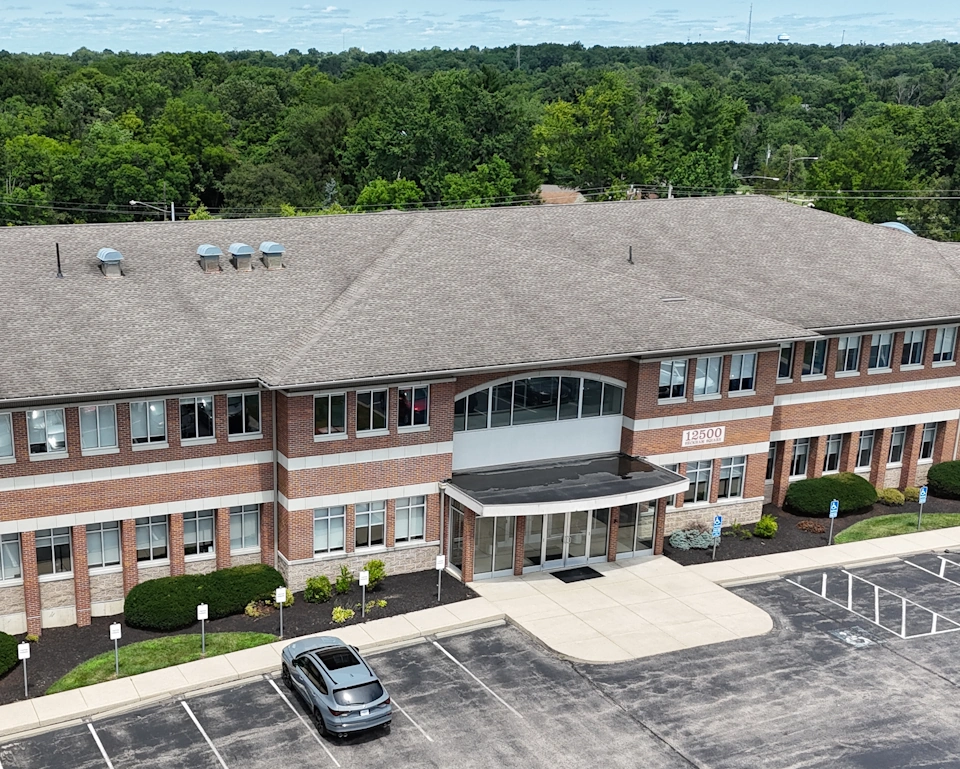
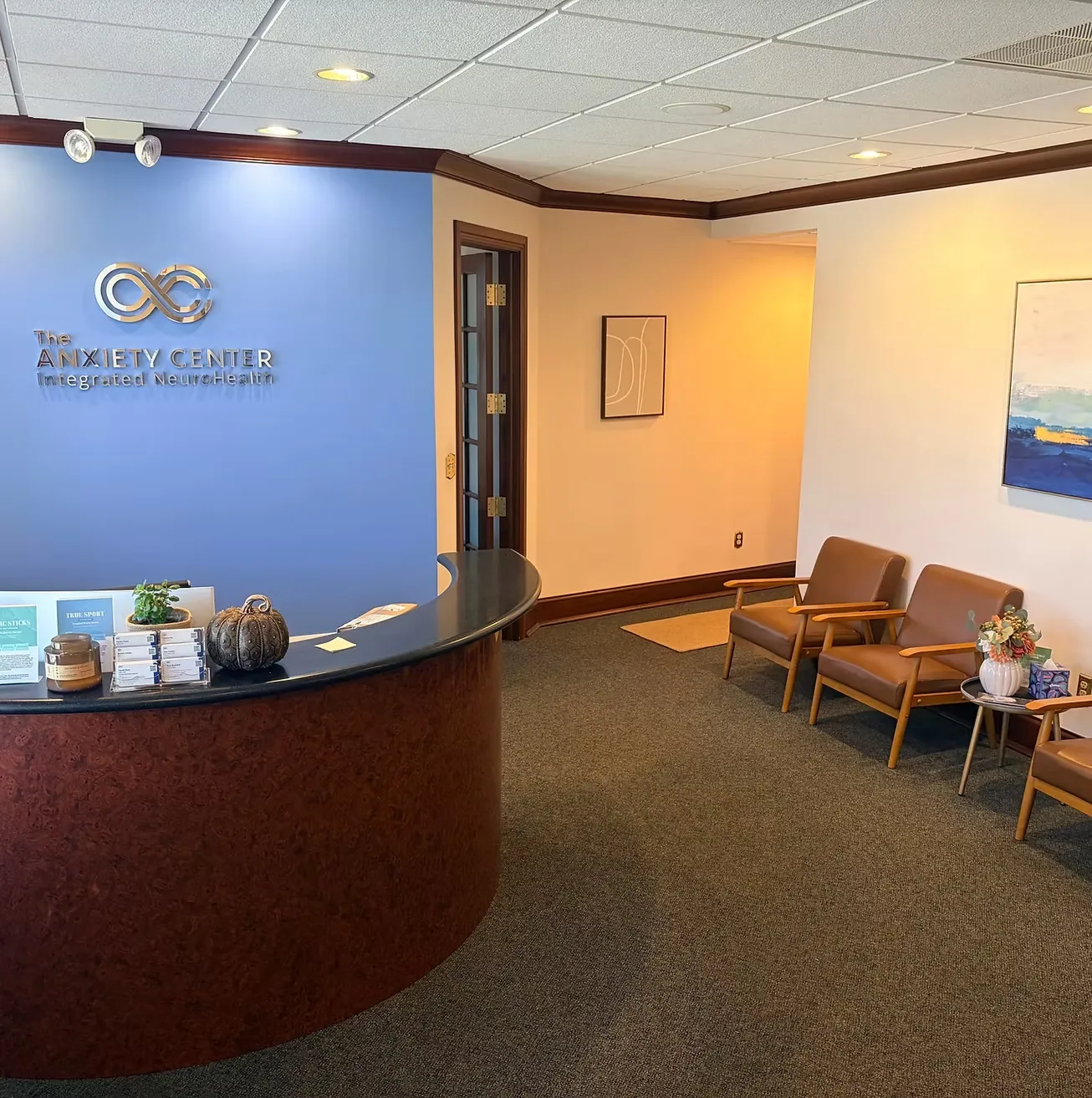
The Anxiety Center Dayton
Dayton, OH 45419
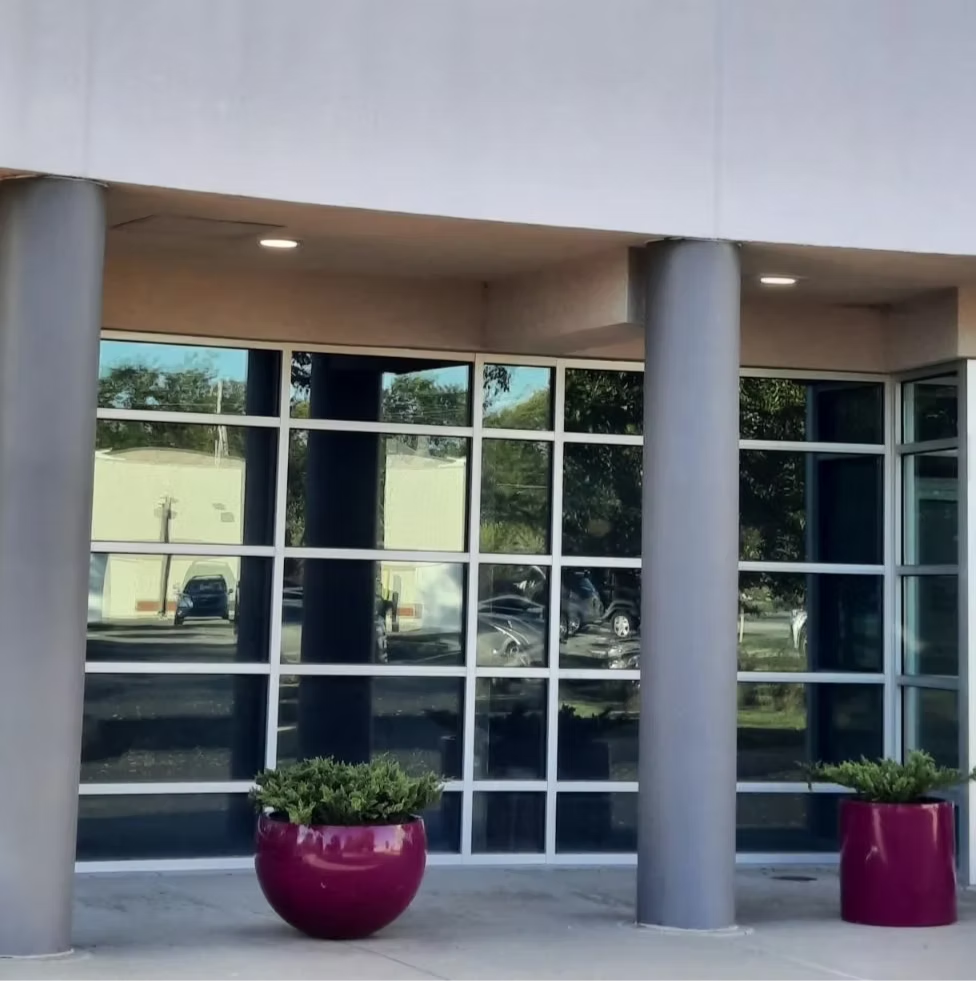
The Anxiety Center Indianapolis
Fishers, Indiana 46038